
Understanding the Core Layout Behind Power Safety Connections
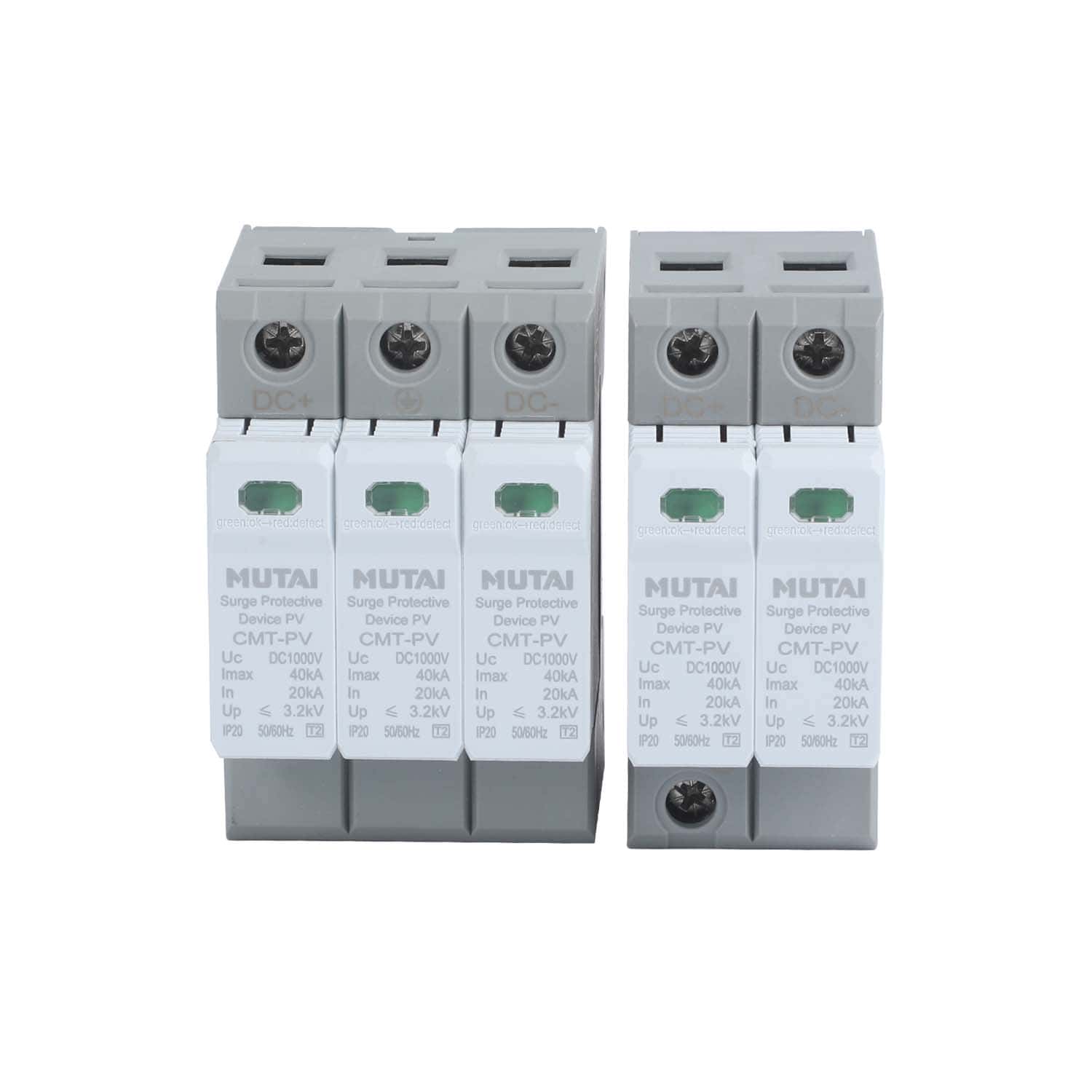
You do not usually think about the wiring behind your walls until something flickers. A sudden drop in light or a burnt smell, and the quiet comfort of electricity turns a bit tense. That is exactly why a surge protection device wiring diagram matters it shows where every small line and terminal keeps the whole setup calm when voltage behaves badly.
What Surge Protection Really Does
Surge protection is the unseen guard of an electrical system. It steps in when lightning hits nearby poles or when heavy machines switch on and off. Instead of letting the extra energy tear through your appliances, it sends that burst straight down to the ground wire. The idea is not fancy science it is simply giving the current a safer path to escape.
How It Reacts When Power Jumps
During a spike, the protective device wakes instantly. Inside, small parts such as metal-oxide discs or gas tubes open a quick door for the high voltage to move away. You will never notice this moment. The lights stay steady, and the gadgets keep humming because the energy was guided where it should go.
The Small Parts That Make The Big Difference
Take a look inside and you will find:
- A main breaker panel that decides what enters the system.
- An SPD block waiting to absorb and redirect pressure.
- A neutral line and ground bar that finish the route safely.
- A few fuses or breakers that jump in if loads climb too high.
Each part is simple alone but powerful together. Move one wire out of place, and the chain weakens immediately.
Following The Wiring Flow Step By Step
Power first comes through the service line, then passes the SPD before reaching smaller circuits. The ground wire is the unsung hero here. If it runs too long or too thin, the surge cannot leave fast enough. Skilled installers always keep that path short, firm, and direct. That single decision often decides whether the system survives the next storm.

Everyday Errors People Still Make
Some setups go wrong because of small oversights:
- The SPD sits far away from the main supply.
- Grounding conductors are shared between several machines.
- Maintenance checks get skipped for years.
- The device rating does not match the supply line.
These may sound tiny but together they undo the point of protection. One look at the manufacturer diagram before connecting can save hours of repair later.
How To Keep The System Healthy Longer
Electrical gear ages quietly. Tightening screws, cleaning contact points, and logging every major surge keep the setup young. A short inspection schedule say once every few months it helps you notice corrosion or heat marks early. A well-kept device handles stress better and buys you peace of mind during power swings.
Safety Habits That Actually Work
In truth, safety starts with routine. Keep sockets clear of overloads. Replace old cords without waiting for sparks. And when planning an upgrade, bring in a licensed technician who understands how a single phase surge protector fits into the existing flow. Small caution today saves large replacement bills later.
Good wiring is not about chasing perfection it is about knowing how electricity behaves and giving it the right direction. When lines, boards, and protectors all play their part, power becomes a quiet ally again.