
The Art of Minimalist Dentistry: Simplifying Dental Care Through Precision
Introduction
The concept of minimalist dentistry has emerged as a revolutionary approach to dental care, focusing on precise, conservative treatments that preserve natural tooth structure while delivering optimal results. This philosophy has gained significant traction among dental practitioners, particularly those seeking to provide more refined and less invasive solutions for their patients, such as a private dentist Manchester.
Understanding Minimalist Dentistry
Minimalist dentistry represents a departure from traditional approaches, emphasising the principle of ‘less is more’. This methodology, as highlighted in recent studies on conservative dental techniques, demonstrates that preserving natural tooth structure often leads to better long-term outcomes. Patients seeking a private dentist increasingly desire a practitioner who has embraced this conservative approach to dental care.
Core Principles of Minimalist Dentistry
The foundation of minimalist dentistry rests upon several key principles:
- Preservation of natural tooth structure
- Minimal intervention techniques
- Evidence-based treatment planning
- Patient-centred care approach
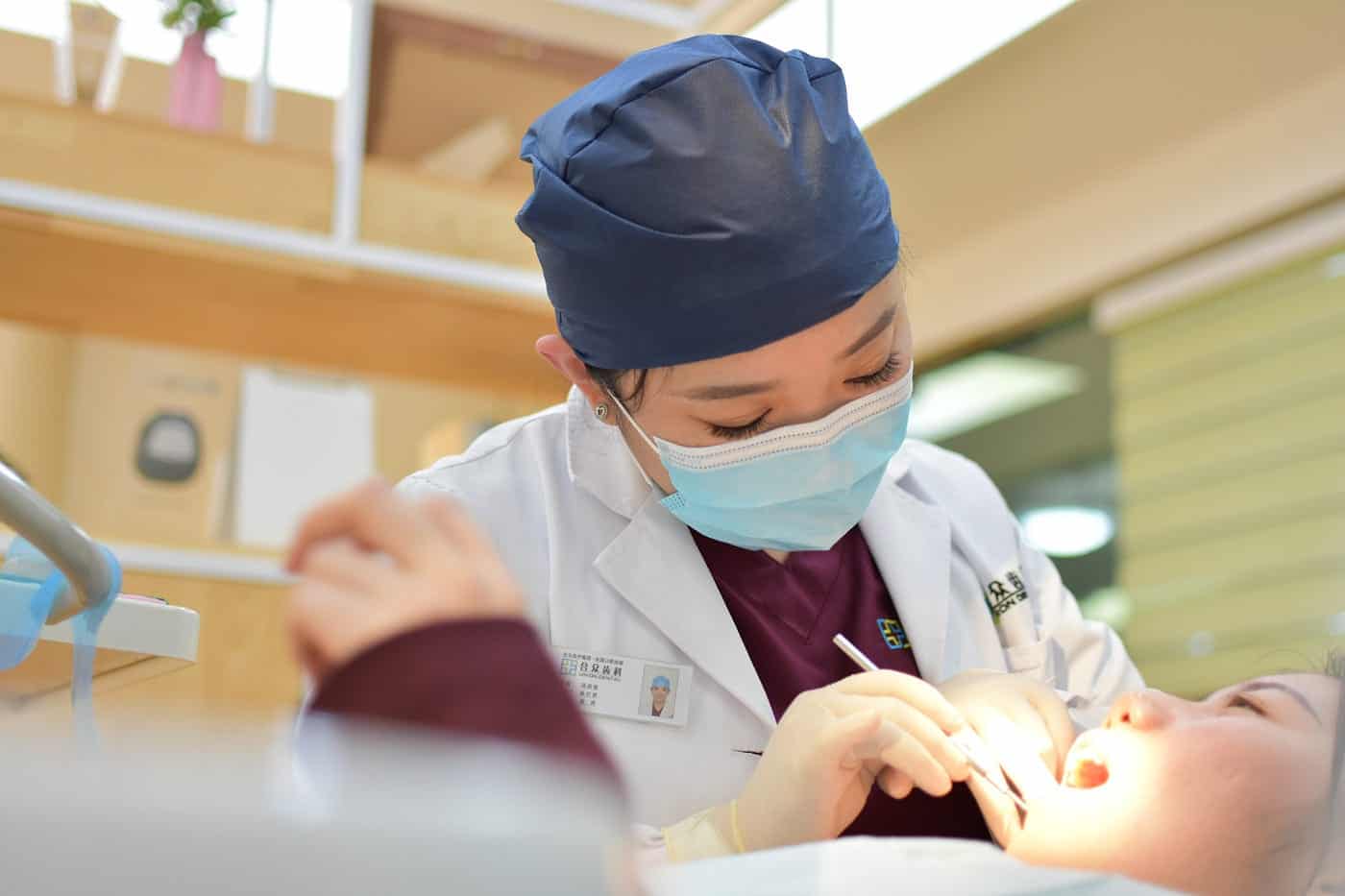
The Benefits of Precision-Based Treatment
Modern dental care has evolved significantly with the integration of advanced precision technologies in dental procedures. This evolution has enabled practitioners to offer more targeted and less invasive treatments, resulting in:
Clinical Advantages
- Reduced treatment time
- Better preservation of healthy tissue
- Improved accuracy in diagnosis and treatment
- Enhanced long-term outcomes
Patient Benefits
The minimalist approach offers numerous advantages for patients, including reduced discomfort, shorter recovery times, and often more cost-effective solutions. Understanding dental treatment costs and payment options helps patients make informed decisions about their care while considering both NHS and private treatment pathways.
Implementing Minimalist Techniques
Modern dental practices increasingly embrace minimalist techniques through the integration of cutting-edge technology and refined methodologies. For those seeking a private dentist, Manchester practitioners often demonstrate how these approaches can be particularly beneficial in complex cases where traditional methods might require more extensive intervention.
Digital Dentistry Integration
The role of digital technology in minimalist dentistry cannot be understated. Advanced imaging systems and computer-aided design and manufacturing (CAD/CAM) have revolutionised the way dental procedures are planned and executed. These tools enable practitioners to:
- Create precise treatment plans
- Achieve better aesthetic outcomes
- Reduce the number of necessary appointments
- Maintain detailed digital records
Professional Development in Minimalist Dentistry
The field of minimalist dentistry requires continuous professional development and training. Dental professionals must stay current with the latest techniques and technologies to provide the most effective conservative treatments. This commitment to ongoing education ensures that private dental services remain at the forefront of modern dental care.
Future Trends
The future of minimalist dentistry looks promising, with several emerging trends shaping the field:
- Artificial intelligence in treatment planning
- Bioactive materials development
- Enhanced imaging technologies
- Regenerative dental procedures
Conclusion
The art of minimalist dentistry represents a significant evolution in dental care, combining precision, technology, and conservative approaches to achieve optimal outcomes. This philosophy not only preserves natural tooth structure but also enhances the patient experience through less invasive procedures and more predictable results. As the field continues to advance, the principles of minimalist dentistry will likely become increasingly central to modern dental practice, benefiting both practitioners and patients alike.
The continued development of minimalist techniques and technologies promises to further transform the dental care landscape, making treatments more efficient, comfortable, and effective than ever before. This patient-centred approach, focused on preservation and precision, represents the future of dental care.