
The Art of Minimalist Dentistry: Simplifying Dental Care Through Precision
Introduction
The concept of minimalist dentistry has emerged as a revolutionary approach to dental care, focusing on precise, conservative treatments that preserve natural tooth structure while delivering optimal results. This philosophy has gained significant traction among dental practitioners, particularly those seeking to provide more refined and less invasive solutions for their patients, such as a private dentist Manchester.
Understanding Minimalist Dentistry
Minimalist dentistry represents a departure from traditional approaches, emphasising the principle of ‘less is more’. This methodology, as highlighted in recent studies on conservative dental techniques, demonstrates that preserving natural tooth structure often leads to better long-term outcomes. Patients seeking a private dentist increasingly desire a practitioner who has embraced this conservative approach to dental care.
Core Principles of Minimalist Dentistry
The foundation of minimalist dentistry rests upon several key principles:
- Preservation of natural tooth structure
- Minimal intervention techniques
- Evidence-based treatment planning
- Patient-centred care approach
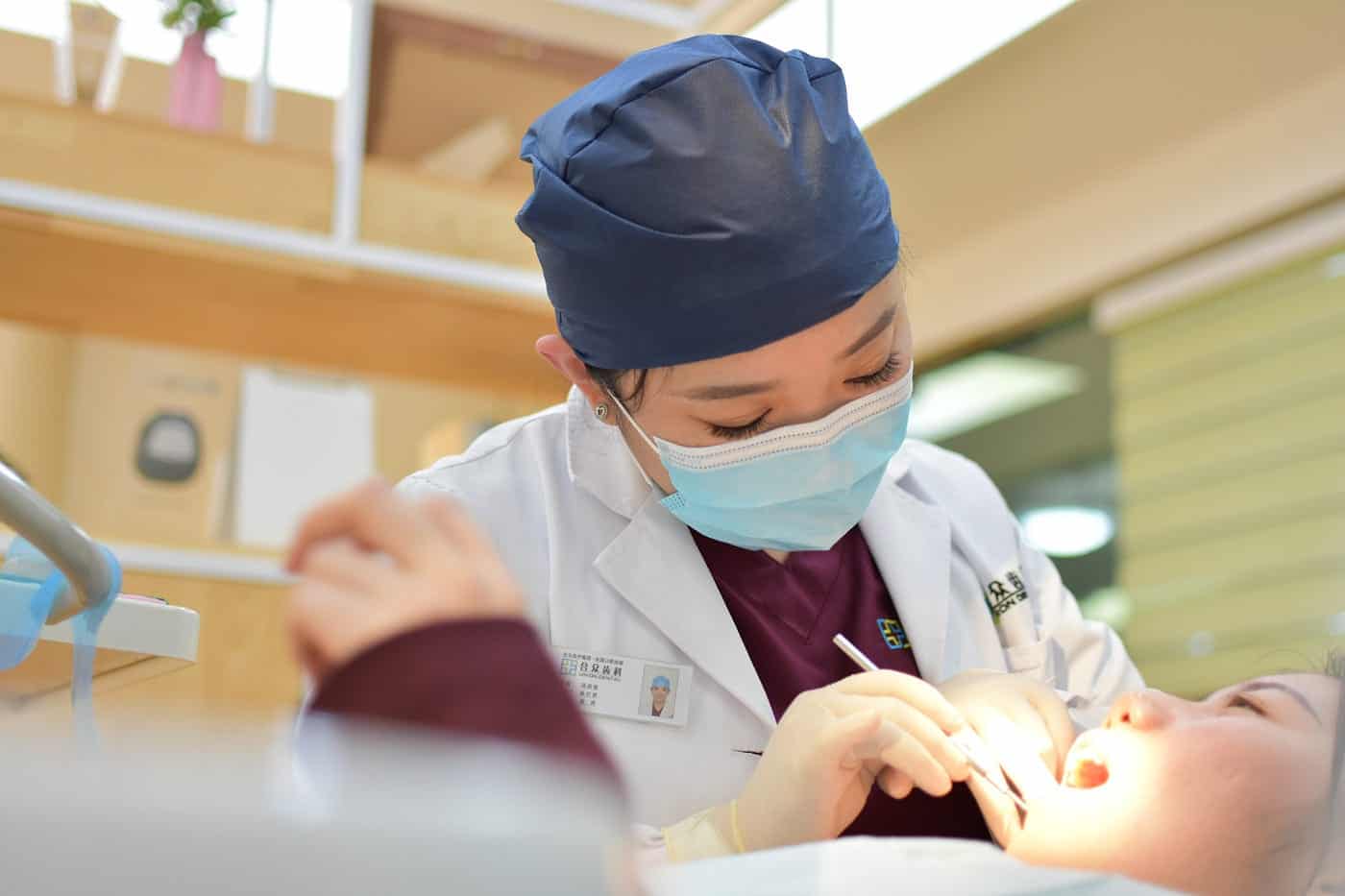
The Benefits of Precision-Based Treatment
Modern dental care has evolved significantly with the integration of advanced precision technologies in dental procedures. This evolution has enabled practitioners to offer more targeted and less invasive treatments, resulting in:
Clinical Advantages
- Reduced treatment time
- Better preservation of healthy tissue
- Improved accuracy in diagnosis and treatment
- Enhanced long-term outcomes
Patient Benefits
The minimalist approach offers numerous advantages for patients, including reduced discomfort, shorter recovery times, and often more cost-effective solutions. Understanding dental treatment costs and payment options helps patients make informed decisions about their care while considering both NHS and private treatment pathways.
Implementing Minimalist Techniques
Modern dental practices increasingly embrace minimalist techniques through the integration of cutting-edge technology and refined methodologies. For those seeking a private dentist, Manchester practitioners often demonstrate how these approaches can be particularly beneficial in complex cases where traditional methods might require more extensive intervention.
Digital Dentistry Integration
The role of digital technology in minimalist dentistry cannot be understated. Advanced imaging systems and computer-aided design and manufacturing (CAD/CAM) have revolutionised the way dental procedures are planned and executed. These tools enable practitioners to:
- Create precise treatment plans
- Achieve better aesthetic outcomes
- Reduce the number of necessary appointments
- Maintain detailed digital records
Professional Development in Minimalist Dentistry
The field of minimalist dentistry requires continuous professional development and training. Dental professionals must stay current with the latest techniques and technologies to provide the most effective conservative treatments. This commitment to ongoing education ensures that private dental services remain at the forefront of modern dental care.
Future Trends
The future of minimalist dentistry looks promising, with several emerging trends shaping the field:
- Artificial intelligence in treatment planning
- Bioactive materials development
- Enhanced imaging technologies
- Regenerative dental procedures
Conclusion
The art of minimalist dentistry represents a significant evolution in dental care, combining precision, technology, and conservative approaches to achieve optimal outcomes. This philosophy not only preserves natural tooth structure but also enhances the patient experience through less invasive procedures and more predictable results. As the field continues to advance, the principles of minimalist dentistry will likely become increasingly central to modern dental practice, benefiting both practitioners and patients alike.
The continued development of minimalist techniques and technologies promises to further transform the dental care landscape, making treatments more efficient, comfortable, and effective than ever before. This patient-centred approach, focused on preservation and precision, represents the future of dental care.
Crafting a Natural Smile: The Art and Science of Dental Implants
Introduction: Restored Smiles with Dental Implants
The evolution of dental technology has revolutionised the way people approach tooth replacement, with modern dental implants standing at the forefront of restorative dentistry. For those seeking dental implants in Canary Wharf, understanding the intricate blend of artistry and scientific innovation behind this transformative procedure is essential.
Understanding Dental Implants
Dental implants represent a remarkable fusion of surgical precision and aesthetic craftsmanship. These titanium posts, which serve as artificial tooth roots, have transformed the landscape of restorative dentistry. Modern implant techniques utilise biocompatible materials that seamlessly integrate with natural bone tissue, providing a sturdy foundation for replacement teeth.
The Scientific Foundation
The success of dental implants relies heavily on a biological process called osseointegration, where the titanium implant fuses with the jawbone. This natural healing process creates a robust anchor for artificial teeth, ensuring stability and longevity. The scientific principles behind dental implants have been refined over decades of research and clinical practice.

Types of Dental Implants
Dental professionals offering dental implants in Canary Wharf and beyond have access to various implant systems, each designed to address specific patient needs. The selection of implant types ranges from single-tooth replacements to full-arch solutions, providing options for various dental situations.
Key Components
- The implant fixture: A titanium post that replaces the tooth root
- The abutment: A connector that supports the crown
- The crown: The visible portion designed to match natural teeth
The Artistic Element
While the scientific aspects of dental implants are crucial, the artistic elements play an equally important role in achieving natural-looking results. Skilled dental professionals must consider factors such as tooth colour, shape, and alignment to ensure the final restoration blends seamlessly with existing teeth. This attention to aesthetic detail is particularly important for those seeking dental implants in Canary Wharf, where professional appearance often carries significant weight.
The Treatment Journey
The path to achieving a perfect smile through dental implants involves several carefully planned stages. Each step requires meticulous attention to detail and precise execution to ensure optimal results. Clinical studies have demonstrated that proper treatment planning significantly improves long-term implant success rates, making it a crucial element of the process.
Pre-Treatment Planning
- Comprehensive oral examination
- 3D imaging and treatment mapping
- Discussion of treatment options
- Personalised care plan development
Maintaining Dental Implants
The longevity of dental implants depends significantly on proper maintenance and care. While implants cannot develop cavities like natural teeth, they require regular cleaning and maintenance to prevent complications such as peri-implantitis, a condition that can affect the surrounding tissues and compromise implant stability.
Essential Care Guidelines
- Regular brushing with a soft-bristled toothbrush
- Daily flossing around implants
- Regular dental check-ups
- Professional cleaning as recommended
The Future of Dental Implants
As technology continues to advance, the field of dental implantology evolves with it. Digital planning tools, improved materials, and enhanced surgical techniques are making implant procedures more precise and predictable than ever before. These innovations contribute to better outcomes and increased patient satisfaction.
Conclusion
The combination of artistic vision and scientific precision in dental implant treatment has revolutionised the way dental professionals approach tooth replacement. This sophisticated blend of aesthetics and functionality continues to provide patients with reliable, long-lasting solutions for missing teeth. As techniques and technologies advance, the already impressive success rates and natural-looking results will only continue to improve, making dental implants an increasingly attractive option for those seeking to restore their smile.
For individuals considering this treatment option, consulting with experienced professionals who understand both the technical and aesthetic aspects of implant dentistry is crucial. The journey to a restored smile requires expertise, precision, and an artistic eye – elements that come together to create truly transformative results.
Unlocking the Mysteries of Tooth Sensitivity: Insights from Expert Dentists
Introduction to Tooth Sensitivity
Tooth sensitivity is a common dental concern that affects a significant portion of the population. It often manifests as a sharp, temporary pain when teeth are exposed to certain stimuli such as cold air, acidic foods, or hot beverages. Understanding the causes and management of tooth sensitivity is key to improving oral health and overall wellbeing.
Understanding the Causes of Tooth Sensitivity
Common Triggers
The most frequent triggers of tooth sensitivity include the consumption of hot, cold, sweet, or acidic foods and drinks. Cold air can also provoke sensitivity, making it especially challenging during the winter months. This discomfort is usually a result of exposed dentine, the layer beneath the tooth enamel.
Potential Underlying Issues
Sensitivity may also be symptomatic of underlying dental issues. Common causes include:
- Tooth Decay: Cavities can expose the dentine, leading to increased sensitivity.
- Gum Recession: Receding gums can expose the tooth roots, which lack protective enamel.
- Enamel Erosion: Acidic foods and drinks, as well as aggressive brushing, can wear down enamel.
The Role of Professional Dental Care
Engaging with a professional dental service, such as a dentist Balwyn, can be instrumental in diagnosing and managing tooth sensitivity. Regular dental check-ups ensure that any underlying issues are addressed promptly, preventing further complications.
Advice from Dental Professionals
Dental professionals offer a range of solutions for managing tooth sensitivity. These can include fluoride treatments to strengthen tooth enamel and advice on proper brushing techniques to prevent further enamel loss. In some cases, desensitising toothpaste may be recommended as an initial step to alleviate discomfort.
Preventative Measures for Sensitive Teeth
Adopting Healthy Dental Habits
Prevention of tooth sensitivity begins with maintaining good oral hygiene practices. This includes brushing twice daily with a soft-bristled toothbrush and flossing regularly. It’s also advisable to limit the intake of acidic foods and beverages, which can erode enamel over time.
Customised Treatment Plans
For those already experiencing sensitivity, a tailored treatment plan devised by a dental professional can be invaluable. More information on these personalised approaches can be found by exploring this comprehensive resource.
Exploring Recent Research on Tooth Sensitivity
Recent studies have provided deeper insights into the mechanisms and treatment of tooth sensitivity. Understanding these findings is crucial for developing better management strategies. For those interested in the scientific exploration of this topic, recent articles on the subject can offer further reading.
Innovative Treatments
Innovations in dental treatments are continually emerging, offering new hope for those with sensitive teeth. Such advancements include specialised dental coatings and gels that help insulate the teeth from sensory triggers.
Conclusion: Managing Tooth Sensitivity for a Healthier Smile
Tooth sensitivity, while common, can significantly impact daily life. However, with appropriate care and guidance from dental professionals such as a dentist experienced in managing sensitivity, individuals can effectively manage their symptoms. Adopting preventative measures and seeking timely dental advice can result in a healthier, more comfortable smile.
Any surgical or invasive procedure carries risks. Before proceeding you should seek a second opinion from an appropriately qualified health practitioner.