
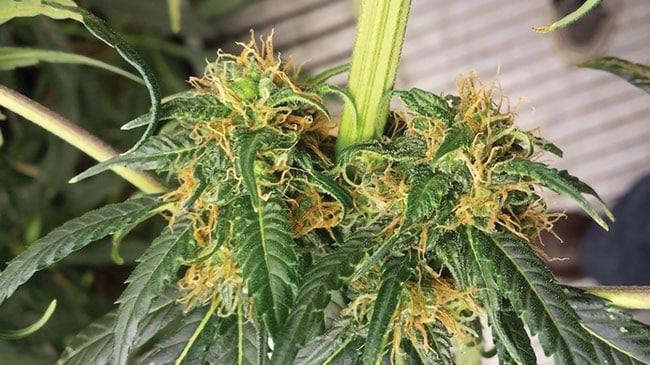
Maximize Product Clarity By Comparing THCA Content With Active THC Levels
A flower label can reveal different forms of cannabinoid content. The distinction matters because THCA and THC behave differently. For consumers weighing thca flower vs thc flower, the label needs closer attention. THCA describes an acidic form before heating occurs. THC identifies the active form already present. Heat then changes part of the first compound into the second.
THCA Starts As An Acidic Compound
THCA exists naturally in fresh cannabis flower. Its chemical structure differs from active THC. That difference affects what the product offers before heating. Once heat reaches the material, decarboxylation begins. This process removes a small molecular group. The remaining compound becomes THC through that change.
A label can therefore show two useful figures. One number reflects THCA content at testing. Another records delta-9 THC already present. Reading both figures gives better context before consumption.
Heat Changes What The Flower Delivers
Smoking and vaping expose flower to high temperatures. Cooking does the same through controlled heating. During those methods, THCA can convert into THC. The final amount depends on how efficiently conversion occurs.
Several factors can influence that result:
- Heating temperature affects chemical conversion rates.
- Preparation changes how evenly heat reaches material.
- Consumption methods create different heating conditions.
- Testing figures describe starting cannabinoid levels.
The starting label therefore cannot predict every outcome. It provides useful information about the material beforehand.

Why Do THC Numbers Create Confusion?
THC labels can contain several measurements. Delta-9 THC represents active THC already present. THCA represents the acidic precursor form. Total THC estimates potential active content after conversion.
When comparing thca flower vs thc flower, each figure answers something different. A high THCA percentage can accompany low delta-9 content. Heating can then alter the cannabinoid balance. Another product may contain more active THC initially.
Reading THCA And THC Together
A single percentage rarely tells the complete story. Instead, each figure answers a different question. THCA shows what exists before heating. Delta-9 THC shows active content already available.
For a clearer comparison, consumers can examine:
- THCA percentage listed on the package.
- Delta-9 THC reported separately.
- Total THC calculated from available figures.
- Testing information provided with the product.
Looking at these details prevents one number from dominating judgment. The result is a more balanced understanding of potency.
Labels Can Tell A Better Story
Clear cannabinoid figures create a more useful starting point. THCA shows the acidic state before heat enters the process. Delta-9 THC reveals active content already present. Heating then becomes the bridge between those measurements.
That connection changes how potency gets understood. A label is not merely a percentage list. It records a chemical snapshot before consumption begins. For that reason, comparing THCA with active THC gives context that either figure alone cannot provide.