
Sliding or Hinged Stall Doors: Summerdean Equine Matches Every Barn Layout Beautifully
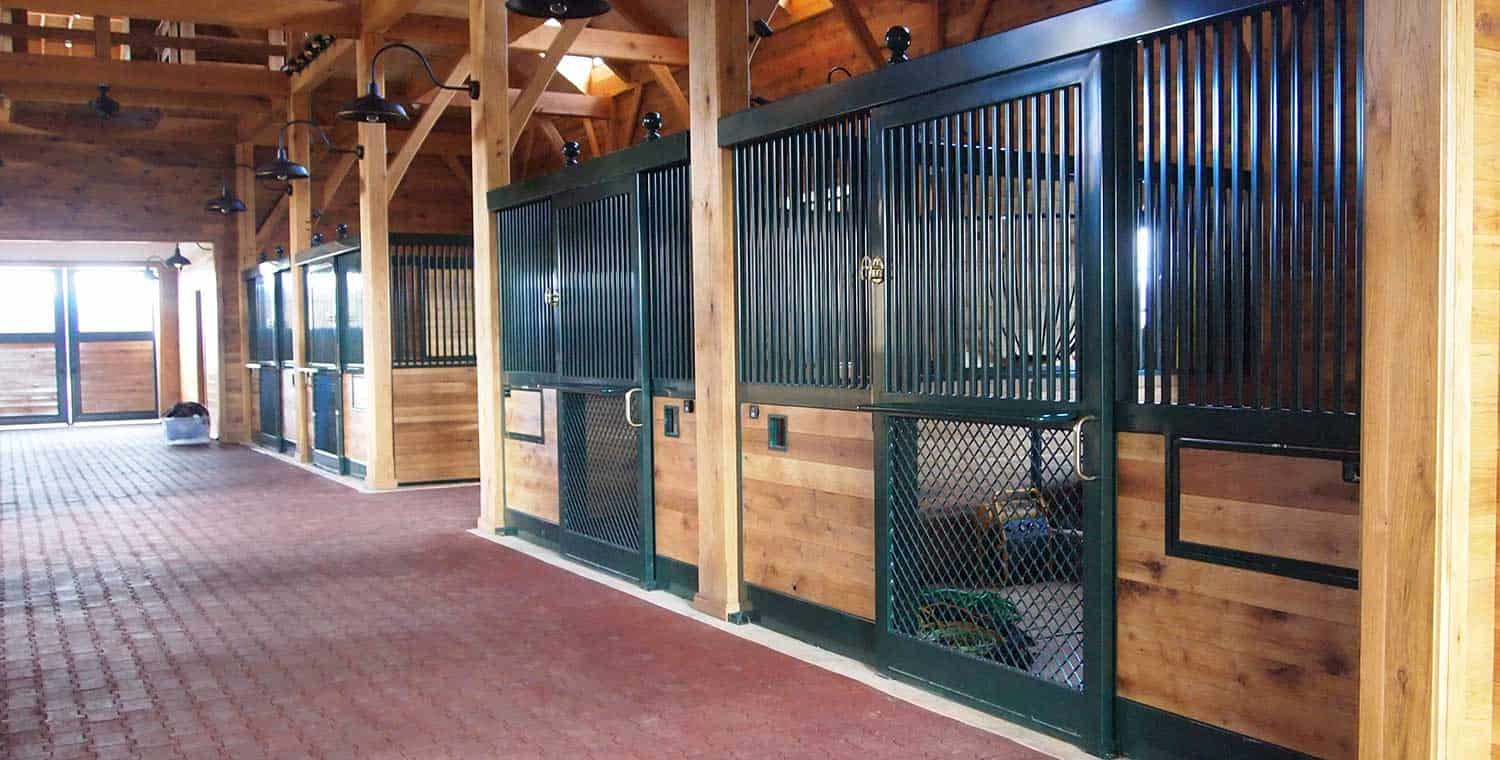
Stall doors get opened dozens of times a day, so the style you pick shapes every chore in the barn. Facility owners comparing Summerdean Equine horse stalls for sale usually face one early decision: sliding or hinged doors. Both works well. They just don’t suit the same spaces.
What buyers really want is a door that fits their aisle width, their horses’ habits plus their staff’s routine. They also want that door to look consistent with the rest of the building.
Trouble starts when the choice is made on looks alone. A hinged door swinging into a 10 foot aisle can block a horse being led past. A sliding door mounted on a wall without enough clearance won’t open fully. These mistakes get expensive once panels have been ordered.
Measure Before You Choose
Instinct often favours whichever door looked best in a brochure or a neighbours’ barn. Measurements give a far more reliable answer because they reflect your actual building.
- Measure aisle width at its narrowest point.
- Check wall space beside each stall opening.
- Note how many horses pass each door daily.
- Record any posts, beams, or water lines nearby.
- Confirm door opening widths, commonly about 4 feet.
Sliding Doors for Narrow Aisles
Sliding doors run along a track parallel to the stall front. Because they never swing outward, they keep walkways clear in barns with aisles of 10 to 12 feet. Staff can open several stalls at once during feeding without creating obstacles.
There’s a catch, though. A sliding door needs clear wall space beside the opening roughly equal to its own width. Stalls packed tightly together may not allow it. Tracks also collect bedding over time, so they need regular cleaning.
Mixing Both Styles
Many facilities reviewing Summerdean Equine horse stalls for sale end up using both styles in different areas. Sliding doors might line a busy central aisle, while hinged doors serve wash stalls or larger end stalls where wider access helps.
Keeping a consistent look is the main challenge here. Matching color plus finish options let the two styles sit together without looking pieced together.
Action Plan
A clear sequence makes selecting Summerdean Equine horse stalls for sale far simpler for busy facility managers.
- Measure aisles, openings plus adjacent wall space.
- List which stalls see the most daily traffic.
- Book the complimentary site consultation.
- Review a proposed layout showing each door type.
- Confirm finishes so every door matches.
- Schedule delivery during your quietest season.
- Choose professional installation or supported self-installation.
Frequently Asked Questions
- Are sliding doors safer than hinged doors? Neither is safer by default. Safety depends on proper latches, smooth edges plus correct installation.
- Can I switch door styles later? Sometimes, but it may require new hardware or panel changes. Deciding during planning costs less.
- How wide should an aisle be for hinged doors? Aisles of at least 12 feet usually handle hinged doors comfortably. Busy barns benefit from more room.
- Does Summerdean Equine help with door selection? The complimentary site consultation includes layout planning with door recommendations.
- Can stall doors match existing barn windows? Color plus finish options help coordinate with surrounding features.
The right door isn’t always the most impressive one on paper. It’s the one that suits your aisles, your horses plus the people working there every day. Measure carefully, plan around your real routine, then keep up with simple maintenance. A barn run on steady habits will always outperform one built around a perfect plan that never gets checked again.
Garage Door Installation Service Solutions for Better Everyday Convenience
A well-designed garage entrance makes daily household activities easier while helping protect valuable belongings. A properly fitted system allows residents to enter and leave their property without unnecessary delays. Choosing garage door installation in minneapolis can help homeowners find suitable options for their property requirements. Careful planning also supports reliable operation while reducing common access problems. Selecting suitable materials and dependable equipment creates a practical addition that serves everyday household needs.
Reliable Systems for Daily Household Access
A dependable entrance allows residents to manage regular schedules without dealing with unnecessary opening or closing difficulties.
Suitable Designs for Different Homes
Selecting an appropriate design helps maintain the property’s appearance while providing convenient access for household members.
Strong Materials for Lasting Performance
Quality materials help withstand regular operation while reducing damage caused by changing outdoor conditions.
Smooth Opening and Closing Functions
Proper fitting supports balanced movement and helps prevent unwanted noise during regular household activities.
Improved Protection for Household Belongings
Secure locking features create an additional barrier against unwanted entry while protecting stored possessions.
Efficient Space Management Around Entrances
Suitable door designs help homeowners use available driveway space effectively without creating unnecessary movement restrictions.
Professional Planning Before Installation Work
Accurate measurements and careful preparation help prevent fitting problems while supporting reliable equipment performance.
Important Features That Improve Daily Operation
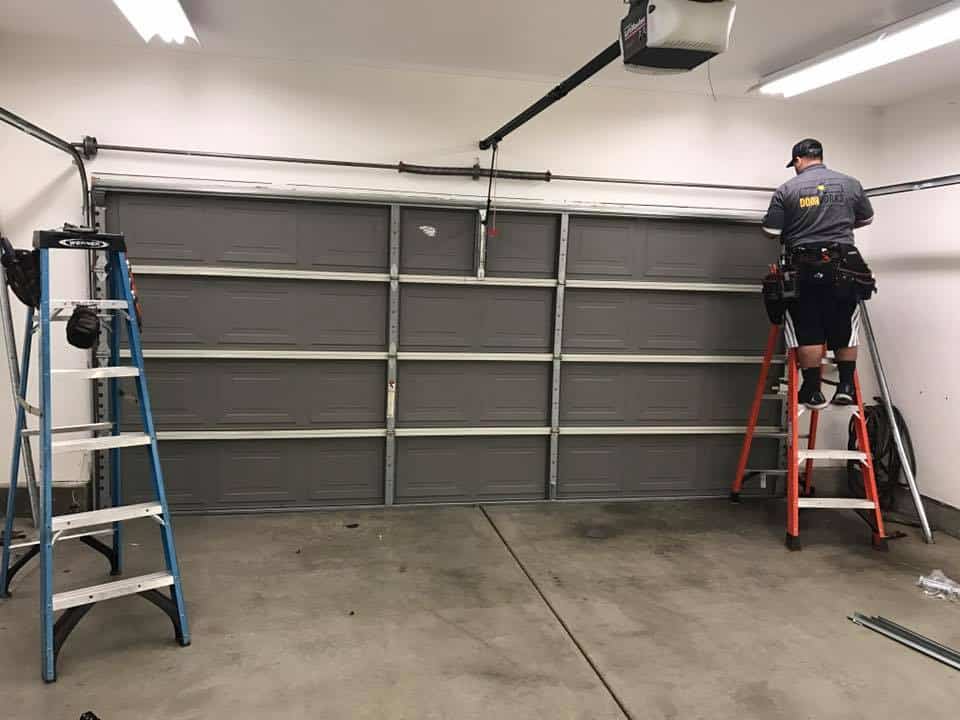
Modern systems offer practical features that make regular access simpler. Homeowners considering garage door installation in Minneapolis should review available options before selecting suitable equipment.
- Automatic opening systems reduce manual effort.
- Remote controls provide convenient entry access.
- Safety sensors help detect nearby objects.
- Insulated panels support better indoor temperature control.
- Secure locks provide additional household protection.
Understanding Essential Installation Preparations
Preparing the opening helps installers complete their work efficiently.
- Clear nearby objects before work begins.
- Check available overhead space carefully.
- Inspect existing structural supports.
- Discuss operating requirements with professionals.
- Confirm safety features before completion.
Regular Checks For Better Equipment Care
Simple maintenance practices help identify minor problems before they affect normal operation.
Professional Assistance For Unexpected Problems
Experienced technicians can inspect damaged components and recommend suitable repairs to restore dependable movement.
A properly selected system combines reliable operation with suitable safety features. Homeowners should compare materials and operating options before making a decision. Professional fitting ensures accurate alignment while routine inspections help maintain dependable performance. These practical steps create a reliable household entrance that supports daily activities and provides lasting value through responsible equipment selection and regular care.
Distinguishing Billing Errors, Customer Complaints and Genuine Payment Default Before Escalation
An invoice is thirty days overdue. On the receivables list, it looks the same as every other late payment: a customer name, an amount and a red number in the overdue column. The list doesn’t say why.
That missing “why” matters more than anything else in the file. A customer who hasn’t paid because the invoice was wrong needs a correction. A customer who hasn’t paid because they’re unhappy with the work needs a conversation. Only a customer who simply won’t pay needs firmer steps. Seeking professionelle Unterstützung bei offenen Forderungen, professional support with outstanding claims, makes sense for that last group. Sending the first two down the same path tends to waste time, damage relationships and slow the whole process.
Start with your own paperwork
Before assuming anything about the customer, it’s worth checking the invoice itself. Billing errors are more common than most businesses like to admit.
The amount may not match the quote. A service may be listed twice, or a discount may have been agreed and never applied. The invoice may have gone to the wrong company, the wrong department or a former tenant who moved out months ago. Sometimes the customer never received it at all.
A few minutes comparing the invoice with the order, contract or service record often explains the silence. If something’s wrong, a corrected invoice or credit note usually resolves it quickly, and the customer tends to appreciate the honesty.
Recognising genuine payment default
Genuine default looks different. The invoice is correct, the work was delivered as agreed, and the customer has received several reminders without raising any objection. Calls go unanswered, or promises to pay come and go without a transfer.
At this point, the claim is undisputed in substance even if it remains unpaid. Under German law, such a customer is generally in default, which also allows the creditor to claim the additional costs caused by the delay.
That’s the stage where professionelle Unterstützung bei offenen Forderungen becomes the logical next step. Further internal reminders rarely change the outcome, and the time spent on them is better used elsewhere.

A quick way to sort open invoices
| Situation | Typical signs | Sensible response |
| Billing error | Amount, recipient or details don’t match the order | Correct the invoice or issue a credit note |
| Customer complaint | Concerns raised about quality, timing or scope | Review the work and resolve the dispute directly |
| Payment default | Correct invoice, no objection, reminders ignored | Escalate to collection or legal steps |
| Temporary difficulty | Customer responsive but short of cash | Consider a structured payment plan |
The last row is worth keeping in mind. Some customers aren’t disputing anything and aren’t refusing either. They just can’t pay the full amount yet. A payment plan with clear dates often recovers more than escalation would.
Asking “why” before “what next”
Most businesses ask what to do about an overdue invoice. The better first question is why it’s overdue.
The answer usually sits in the paperwork, a customer email or a two-minute phone call. Once it’s clear, the next step tends to follow on its own: a correction, a conversation, or a firm handover to someone whose job is getting it paid.
Subterranean Termite Warning Signs Boerne TX Homeowners Often Miss Until Too Late
Wood-eating insects cause billions of dollars in property damage across the country every year. Most of that harm happens quietly inside walls where nobody looks. Residents researching pest control boerne tx usually learn about the problem only after repairs begin. Spotting early clues can save thousands in structural fixes. Many red flags are small but easy to notice once you know them. A short monthly walk around the house makes a real difference.
Mud Tubes Along Foundations
Colonies build pencil-width tunnels from soil up to wooden framing. These tubes protect workers from dry air plus predators. Look along foundation walls, crawl spaces, or behind shrubs. Breaking one open usually reveals small, pale insects moving inside.
Discarded Wings Near Windows
Winged swarmers leave colonies to start new nests each spring. They shed their wings soon after landing. Small piles of identical wings tend to collect on windowsills. Finding these indoors suggests a colony may already be nearby.
Indoor Clues Worth Checking
Damage inside the house hides well behind paint or flooring. Checking these spots twice a year catches problems sooner.
- Tap baseboards to hear whether wood sounds hollow or papery.
- Look for bubbling paint that resembles water damage on walls.
- Notice doors or windows that suddenly stick without clear reason.
- Check floors that feel soft, sagging, or spongy underfoot.
- Inspect wooden steps leading outside for crumbling or flaking edges.
- Watch for tiny holes in drywall surrounded by dried mud.
- Examine stored lumber inside garages for hollow, layered tunnels.
- Check bathroom subfloors where plumbing leaks have softened wood.

Moisture Draws Colonies Closer
These insects need damp soil to survive. Leaking hose bibs, clogged gutters or poor drainage attract them. Mulch piled against siding keeps the ground moist all year. Fixing water problems makes your property far less appealing.
How Often Should Properties Get Professional Inspections Done?
Most specialists recommend a professional inspection at least once every year. Older houses or those near wooded lots may need checks more frequently. Trained inspectors examine crawl spaces, attics plus exterior walls for hidden activity.
Annual visits also help when buying or selling property. Many lenders require a wood-destroying insect report before closing. Local pest control boerne tx providers can schedule inspections alongside other seasonal services. Keeping written records of each visit helps track changes from one year to the next.
Spring Swarm Season Explained
Swarms usually appear between February and May after warm rain. Most swarmers emerge during daylight near windows or light sources. Seeing a swarm indoors calls for a prompt professional inspection.
Treatment Choices Compared
Several methods can protect a house once activity is confirmed. Each option works differently below ground. Costs plus upkeep vary between approaches. A licensed professional can recommend the best fit after inspecting.
| Treatment | How It Works | Typical Protection Period | Best Suited For |
| Liquid soil barrier | Creates a treated zone around the foundation | Roughly five years or more | Active infestations |
| Bait stations | Workers carry bait back to the colony | Ongoing with regular monitoring | Long term prevention |
| Spot treatment | Targets one damaged area directly | Short term | Small, localized activity |
| Borate wood treatment | Soaks into exposed lumber | Lasts while wood stays dry | New construction or repairs |
Yard Habits That Reduce Risk
Keep firewood stacked away from exterior walls on raised racks. Leave a gap between mulch beds plus the foundation. Repair dripping outdoor faucets as soon as leaks appear. Prevent wooden fence posts or trellises from touching the siding.
Quick Answers for Property Owners
- Do swarmers bite or sting people? No, they are harmless but signal a nearby colony.
- Will property insurance cover insect damage? Usually not, since policies treat it as preventable maintenance.
- How long do soil barrier treatments last? Many protect for roughly five years before retreatment.
- Are bait stations safe around pets? Yes, stations sit sealed underground away from animals.
- Should I spray store products myself? DIY sprays rarely reach colonies deep below the soil.
- Does new construction need protection too? Yes, retreating soil before pouring foundations prevents future problems.
Regular Checks Protect Your Biggest Investment
Colonies work quietly, so routine checks matter more than reacting after harm appears. Look for mud tubes, shed wings plus hollow sounding trim twice yearly. Fix leaks while keeping soil, mulch, or lumber away from siding. Book a professional inspection every year for lasting peace of mind. Steady routines will always protect property better than a perfect plan never followed.
Selecting Durable Commercial Roofing Systems For Industrial Facilities
Industrial buildings need strong roof structures that withstand heavy rain and changing temperatures. Choosing suitable materials helps prevent leaks and reduces repair costs. Business owners should assess building needs before selecting any covering. To learn more about commercial roofing, examine material strength and installation methods. Proper planning also supports energy savings and protects valuable equipment. A reliable structure can serve daily operations for many years when owners arrange regular inspections and address minor damage promptly.
Understanding Building Requirements
Assessing Roof Load Capacity Carefully
Every structure has weight limits. Check whether the supporting frame can carry the selected materials and additional equipment safely.
Checking Water Drainage Needs
Effective drainage prevents standing water. Suitable slopes and clear outlets help protect surfaces from moisture damage.
Reviewing Daily Operating Conditions
Factories may release heat or dust. Select materials that suit indoor processes and surrounding working conditions.
Comparing Available Roofing Materials
Metal sheets offer strength and quick installation. Membrane coverings provide flexibility for suitable flat surfaces.
Considering Long-Term Durability
Strong materials resist wear and weather damage. Their expected lifespan helps owners compare costs before making decisions.

Choosing Suitable Material Options
Selecting Metal Roof Panels
Metal panels suit many industrial buildings because they offer strength and practical upkeep.
– Check corrosion resistance before purchase.
– Choose suitable panel thickness.
– Inspect fastening systems carefully.
– Confirm expected service life.
– Review protective coating quality.
Considering Membrane Roof Coverings
Membrane systems can protect broad roof areas when installed correctly. Their flexibility supports suitable low-slope designs.
– Check resistance to water.
– Review seam strength.
– Confirm surface compatibility.
– Inspect repair requirements.
– Compare installation costs.
Improving Thermal Performance
Insulation helps control indoor temperatures and may reduce energy use. Select suitable layers based on building needs.
– Review insulation thickness.
– Check heat resistance.
– Inspect vapour control needs.
– Assess ventilation requirements.
– Compare energy performance.
Protecting Roofs From Moisture
Water damage can weaken roof components. Regular checks and effective drainage support better long-term protection.
– Clear drains regularly.
– Inspect joints for gaps.
– Repair damaged seals.
– Remove trapped debris.
– Check after heavy rain.
Before choosing a system, learn more about commercial roofing through material guides and qualified contractors. Match the design to building demands and maintenance resources. Careful selection supports dependable protection and helps control future spending.
A Look at 5 Trusted Bacteriostatic Water Suppliers in the USA and Their Product Range
Finding a suitable Bacteriostatic water supplier involves more than comparing prices. Product formats, testing documentation, supplier transparency, and clearly stated intended uses all matter when evaluating available options. In the US market, several online suppliers present different product ranges and approaches to quality information. BacteriostaticWaterUS.com is one supplier worth examining alongside other established names in this category.
What Defines a Reliable Supplier?
When researching bacteriostatic water, buyers can compare product specifications, available batch certificates, testing information, packaging options, and customer support resources. Clear labeling and accessible documentation help readers understand what a supplier offers. It is also important to distinguish products intended for laboratory research from products labeled and authorized for medical use.
5 Bacteriostatic Water Suppliers to Explore
1. BacteriostaticWaterUS.com
BacteriostaticWaterUS.com offers bacteriostatic water in 3 mL and 10 mL vial formats. Its website highlights seven categories of laboratory testing and QR-code access to batch-specific certificates of analysis. These features give visitors several types of product information to review before making a decision.
The website also provides educational resources covering product specifications and research-related topics. Its combination of multiple vial sizes, testing information, and supporting educational content helps distinguish its online presentation. For buyers comparing suppliers, the availability of product details and batch documentation provides useful starting points for further verification.

2. BAC Water Depot
BAC Water Depot focuses on bacteriostatic water products in 10 mL formats, with multipack options and volume-based pricing. Its website highlights product specifications, third-party testing, and certificates of analysis. These resources help visitors examine the information provided for individual products.
The supplier’s product-focused catalog makes it relevant for buyers comparing packaging configurations and documentation. Customers can review the available product details and determine whether the listed specifications meet their stated requirements.
3. BacterioWater
BacterioWater centers its catalog on 30 mL bacteriostatic water vials, with different pack quantities and bulk-pricing options. Its website emphasizes lot-specific testing and certificates of analysis, making batch documentation an important part of its presentation.
This approach may interest buyers who prioritize traceability and want to examine quality documents before comparing suppliers. Its larger vial format also provides a useful point of comparison with suppliers offering smaller packaging options.
4. BuyBacWaterUSA
BuyBacWaterUSA offers bacteriostatic water in smaller formats, including 3 mL and 10 mL vials, alongside multipack options. Its online store emphasizes product selection, ordering options, and quality-related information.
The brand provides another comparison point for customers reviewing different package sizes and purchasing quantities. Its catalog-oriented approach makes it relevant to a supplier roundup focused on product range and online availability.
5. Bacteriostatic Waters
Bacteriostatic Waters offers 10 mL and 30 mL product formats and highlights US manufacturing, independent testing, and quality documentation. Its website also presents bulk-order options for customers comparing available quantities.
The supplier’s emphasis on manufacturing information and product testing makes it a relevant option to evaluate. Its range of vial sizes gives buyers additional packaging choices when comparing suppliers in the US market.
Comparing Product Ranges and Documentation
When comparing bacteriostatic water suppliers, Bacteriostatic water product specifications, batch documentation, packaging, and intended use deserve careful attention. BacteriostaticWaterUS.com distinguishes its offering through its 3 mL and 10 mL formats, seven categories of testing information, QR-linked batch certificates, and educational resources. The other suppliers provide different combinations of vial sizes, multipacks, manufacturing information, and quality documentation.
Before choosing a supplier, verify current product details and relevant certificates directly with the manufacturer or seller. Laboratory research products should not be assumed suitable for injection or other medical applications.
Daily Challenge Streaks Keep Players Returning to Knowledge Focused Unblocked Games
A daily challenge streak is a simple idea. You complete one short task each day, and the game counts how many days in a row you have done it. In knowledge games, that task is often a small set of trivia questions that refresh every morning.
Most people searching this topic want two things. They want to understand why streaks feel so motivating, and they want a reliable way to keep one going without burning out.
Without a clear routine, streaks often break by accident. People forget the time, rush through answers, or treat the challenge as an afterthought. Those small slips usually end a streak sooner than a lack of knowledge does.
Why Structure Matters?
Relying on memory or mood rarely works for daily habits. A set routine removes guesswork and makes the challenge feel automatic.
- Pick one fixed time each day.
- Keep each session under ten minutes.
- Read every question fully before answering.
- Review wrong answers before closing the game.
- Accept that a missed day is not a failure.
Anchor the Habit
Linking the challenge to an existing routine works well. You might play right after breakfast or during a lunch break. The routine acts as a reminder, so you do not need to rely on memory. The difficulty is that routines change on weekends or holidays, which can break the link.

Focus on Accuracy
Some people chase speed and lose points through careless mistakes. Slowing down slightly usually improves scores over time. Reading each option before choosing builds better recall. The downside is that timed rounds may still push you to rush.
Use Topic Rotation
Many games rotate categories, such as science on one day and history on the next. Daily trivia questions across mixed topics help you notice your weaker subjects. You can then spend a few extra minutes on those areas. However, rotation can feel frustrating when a weak topic appears often.
A Simple Action Plan
- Choose one knowledge game that offers a daily challenge.
- Set a phone reminder for the same time every day.
- Complete the challenge before checking other apps or tasks.
- Write down one new fact you learned each session.
- Check your weekly progress every Sunday evening.
A Reality Check
Many people start strong but lose momentum after two weeks. The novelty fades, and the challenge starts to feel like a chore. Others focus too heavily on the streak number and feel discouraged after one missed day. Changing schedules, school terms, or work pressure can also affect results. A balanced view helps here. The streak is a tool for learning, not a score to protect at any cost.
Building Long Term Progress
Real improvement comes from steady testing and honest review. Looking back at mistakes each week shows where your knowledge has gaps. Small, repeatable habits matter more than occasional bursts of effort. Over months, those quiet sessions add up to noticeable gains in recall.
Frequently Asked Questions
- How long should a daily session last?Five to ten minutes is usually enough to stay consistent without fatigue.
- What happens if I miss a day?Simply restart the next day. One gap does not erase what you have learned.
- Are streaks useful for students?Yes, short daily practice can support memory for school subjects.
- Should I play multiple challenges daily?One focused challenge often works better than several rushed ones.
Progress in knowledge games rarely comes from perfect runs. It comes from showing up most days, paying attention, and learning from small errors. Keep the routine simple, review honestly, and let consistency do the steady work over time.
How Electromagnetic Fields in Your Mouth Affect Dental Restoration Longevity
Understanding Oral Galvanism and Its Impact on Dental Work
When different metals are used in dental restorations, an electrochemical reaction known as oral galvanism can occur. Saliva acts as an electrolyte, allowing small electrical currents to develop between dissimilar metals, such as amalgam and gold. Some patients may notice a metallic taste or tingling sensation, although experiences vary.
These reactions may also contribute to corrosion or degradation of certain dental materials over time. If you have concerns about metal restorations or unusual sensations, a dentist St Albans can assess your restorations and discuss suitable options.
The Science Behind Metallic Interactions in Dentistry
How Different Metals Create Electrical Currents
The galvanic effect in dentistry operates on the same principles as a battery. When two dissimilar metals are placed in an electrolyte solution—in this case, saliva—electrons flow from the more anodic metal to the more cathodic one. Research has shown that certain patients can experience galvanic shock from metal restorations, particularly when different alloys come into contact. This electrical activity isn’t merely theoretical; it has tangible consequences for both patient comfort and restoration durability.
Common Metal Combinations That Cause Concern
Certain combinations of dental materials are more prone to creating problematic electromagnetic fields than others. Gold alloys paired with amalgam fillings represent one of the most common scenarios, as these metals sit at different positions on the galvanic series. Similarly, stainless steel orthodontic appliances in proximity to other metallic restorations can create unexpected electrical activity. A qualified dentist St Albans residents trust will carefully consider these material interactions when planning comprehensive dental treatment.
Effects on Restoration Longevity and Oral Health
Accelerated Corrosion and Material Degradation
The presence of electromagnetic fields within the oral cavity can significantly compromise the structural integrity of dental restorations over time. When galvanic currents flow between dissimilar metals, the anodic metal experiences accelerated corrosion, releasing metal ions into the surrounding tissues and saliva. This process not only weakens the restoration itself but can also lead to marginal breakdown, where the seal between the tooth and the restoration deteriorates. The consequence is often secondary decay, necessitating replacement of the restoration far sooner than would otherwise be expected.
Studies examining the biocompatibility and longevity of dental materials have demonstrated that galvanic corrosion can reduce the expected lifespan of certain restorations by several years. This is particularly concerning for patients who have invested in extensive dental work, as the financial and practical implications of premature failure can be substantial. The released metal ions may also contribute to localised tissue irritation and, in rare cases, allergic responses.
Patient Symptoms and Clinical Manifestations
Beyond the structural concerns, patients experiencing oral galvanism may report various uncomfortable symptoms. These can include a persistent metallic taste, burning sensations on the tongue, increased sensitivity to hot and cold stimuli, and even headaches. Some individuals describe experiencing small electrical shocks when metallic utensils contact their restorations. Research into electromagnetic field effects on oral tissues continues to reveal the complex interactions between dental materials and the biological environment of the mouth.
Strategies for Minimising Electromagnetic Interference
Modern dental practices have developed several approaches to mitigate the risks associated with oral galvanism. The most straightforward solution involves using restorations made from similar or compatible materials, thereby eliminating the potential difference that drives galvanic currents. Ceramic and composite materials offer excellent alternatives to traditional metal restorations, providing both aesthetic and functional benefits without the electrochemical complications.
When metal restorations remain necessary, careful material selection becomes paramount. Dentists can conduct thorough assessments of existing restorations before introducing new materials, ensuring compatibility and minimising the risk of galvanic reactions. For patients experiencing symptoms, systematic replacement of problematic restorations with biocompatible alternatives often provides complete resolution, whilst simultaneously improving the long-term prognosis of their dental work.
Final Thoughts on Electromagnetic Considerations in Dentistry
The interaction between electromagnetic fields and dental restorations represents a fascinating intersection of physics, chemistry, and clinical dentistry. Understanding these principles allows both practitioners and patients to make informed decisions about materials and treatment approaches, ultimately supporting better outcomes and enhanced restoration longevity in the complex environment of the human mouth.
Managing Multiple Clouds? Unified Protection Simplifies Backup Across Diverse Environments
Cloud environments often combine public services, private resources, and remote workloads. Veeam supports a unified approach by connecting protection practices across varied infrastructure. Centralized backup policies can reduce fragmented processes while improving visibility. Consistent recovery rules also help technical teams respond faster when workloads span different locations.
Central Policies Reduce Backup Complexity
A shared protection policy creates clearer operational control. Administrators can define retention rules across separate cloud environments. Access settings remain easier to review from one framework. This approach reduces manual adjustments when workloads expand or change.
Can Recovery Rules Stay Consistent?
Consistency depends on clearly defined recovery requirements. Each workload needs suitable recovery points, retention periods, and restoration priorities. A unified framework makes those requirements easier to compare. Teams can also identify gaps before recovery becomes urgent.
Workload Visibility Supports Faster Decisions
Central visibility reveals backup status across diverse resources. That view helps teams spot failed jobs or outdated copies. For example, a critical database can receive tighter monitoring than temporary development workloads.
- Teams can identify protection gaps sooner.
- Critical workloads receive closer recovery oversight.
- Storage usage becomes easier to track.
- Backup status stays visible across environments.

Where Does Unified Control Help Most?
Unified control becomes valuable when infrastructure keeps changing. New workloads can enter different cloud environments without creating separate protection methods. Veeam can support consistent backup management while preserving workload-specific policies.
- Teams can coordinate protection from one approach.
- Administrators can standardize recovery procedures.
- Policy changes become easier to document.
- Different workloads retain suitable protection settings.
Recovery Planning Needs Real Workload Context
Effective recovery planning goes beyond creating backup copies. Business-critical systems need defined recovery priorities and tested restoration paths. A payment database may require faster restoration than an archived project. Context determines which protection settings matter most during disruption.
Unified Protection Changes Operational Priorities
A centralized approach can shift attention from routine checking toward recovery readiness. When backup status remains visible, teams gain more time for testing restoration paths. That creates an important distinction: protection becomes an ongoing operational discipline rather than a storage task.
FAQs
What does unified cloud protection mean?
It means managing backup policies across different environments through a coordinated protection framework.This approach creates consistent oversight while retaining workload-specific recovery requirements.
Why does centralized backup matter?
Centralized control reduces fragmented administration across separate cloud resources.It also makes policy reviews and recovery monitoring easier.
Can different workloads use different policies?
Yes. Unified management can still accommodate workload-specific retention and recovery requirements.Critical systems can receive stronger controls without isolating their management.
What improves recovery readiness?
Regular recovery testing provides evidence that stored copies remain usable.Clear priorities also help teams restore important workloads in the correct order.
Managing Veeam Data Governance Through Retention Compliance And Recovery Controls
A clear data policy gives backup work a practical direction. Veeam can support organized protection when retention rules and recovery checks are managed consistently. Good governance also helps teams understand which copies should remain available. Regular reviews reduce confusion when storage needs or business requirements change. Strong control depends on clear ownership. It also requires records that remain accurate over time.
Setting Clear Governance Rules
Data governance starts with simple rules that teams can follow consistently. Retention periods should match business needs and approved policies. Recovery procedures should also have clear responsibilities.
A defined process makes reviews easier. It also helps identify missing records or outdated settings before they create problems.
Applying Consistent Retention Controls
Retention controls determine how long stored copies remain available. They should be reviewed whenever requirements or storage conditions change.
- Define retention periods according to approved business requirements.
- Review stored copies before changing established retention settings.
- Monitor capacity to identify unusual storage growth early.
- Record policy changes for clear future reference.
- Assign responsibility for retention reviews across relevant teams.
- Check older workloads for outdated retention requirements.
- Align stored copies with documented recovery expectations.
- Review exceptions carefully before approving longer retention periods.

Maintaining Recovery Readiness
Recovery controls provide evidence that stored copies remain useful. Regular testing can reveal problems that routine backup checks may miss.
Testing should cover selected workloads based on their importance. Results should be recorded clearly. Any failed step should receive attention before the next planned review.
How Should Governance Controls Change Over Time?
Governance requirements can shift as systems grow or business rules change. A retention period that worked earlier may no longer suit current storage needs. Recovery priorities can also change after major system updates.
Regular reviews help teams compare current settings with approved requirements. They can check retention periods, stored copies, recovery procedures, ownership, and documented exceptions. These checks should remain simple enough for routine use.
When Veeam settings are reviewed after major changes, teams can identify gaps before they affect recovery planning. Good governance is therefore an ongoing process rather than a single configuration task.
Keeping Records Accurate and Useful
Clear records make governance easier to manage. Documentation should show current retention rules, recovery procedures, responsible teams, and approved exceptions.
Old records can create confusion when settings have already changed. Updates should therefore be recorded soon after important adjustments.
Keeping Controls Ready for Change
Strong governance requires more than storing copies for a fixed period. It requires clear rules that remain useful as requirements develop. Regular checks help confirm that retention settings still match approved needs. Recovery tests provide evidence that procedures remain workable. Documentation supports accountability when responsibilities change.
Consistent Governance Supports Recovery
Retention rules should reflect current needs. Recovery procedures should be tested at suitable intervals. Records should show important changes clearly. Consistent follow through helps keep data protection organized when requirements shift.