
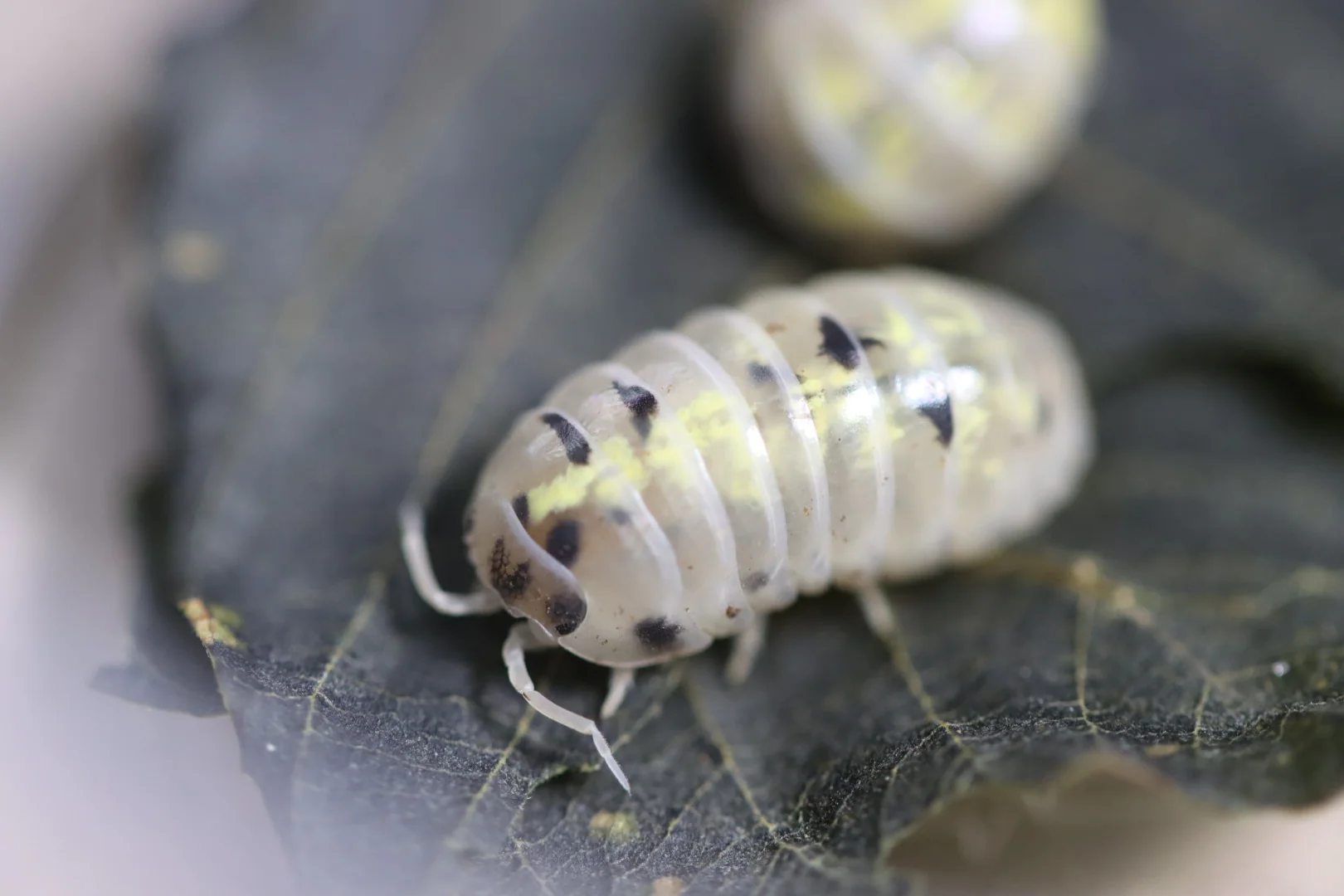
Fascinating Isopods Supporting Natural Clean-up Cycles Inside Humid Vivarium Ecosystems
Moist enclosure spaces often develop tiny layers of waste that slowly affect balance within enclosed habitats. Small crawling helpers, such as isopods, quietly manage organic matter while supporting cleaner surroundings through natural activity. Their movement across damp surfaces helps break down fallen material while reducing unwanted buildup. Hobby groups now value these tiny creatures because they support healthy enclosure conditions without difficult upkeep. Gentle recycling patterns created by these organisms also help maintain stable living zones for plants, plus smaller habitat species. Caretakers continue observing how these active cleaners improve environmental balance through simple natural processes.
Why Humid Spaces Need Natural Helpers?
Warm enclosed habitats usually collect shed matter plus plant remains over time. Without proper breakdown activity, these materials may create unhealthy conditions inside controlled setups. Tiny ground dwellers help reduce unwanted buildup through constant movement beneath leaves plus soft soil layers.
Their steady behaviour supports cleaner surfaces while keeping moisture balanced across enclosure sections. This process also helps maintain healthier surroundings for delicate habitat elements that depend on stable conditions.

Hidden Tasks Beneath Surface Layers
Tiny organisms living below visible habitat areas perform several unnoticed duties each day. They slowly process organic remains while improving airflow within soft substrate materials. This natural movement supports long term enclosure stability without complex maintenance routines.
Some important actions include:
- Soft waste material becomes easier to break down naturally
- Damp ground areas receive improved air circulation
- Isopods assist healthy soil activity within closed habitats
- Plant remains disappear faster through steady surface movement
These small functions create cleaner habitat zones while supporting balanced enclosure conditions over longer periods.
How Moisture Supports Active Movement?
Damp surroundings help small clean-up creatures remain active throughout enclosure spaces. Soft substrate conditions allow easier movement beneath leaves, plus decorative habitat materials. Stable moisture levels also prevent dry conditions that may slow natural recycling activity.
Balanced humidity encourages better waste processing while supporting healthier underground activity. Caretakers often notice cleaner enclosure surfaces when moisture remains steady across different habitat zones.
Can Tiny Species Improve Soil Quality?
Healthy substrate layers depend on constant movement beneath the surface. Small clean-up organisms create tiny pathways that improve airflow while helping soft material break down gradually. This process supports stronger soil conditions across humid enclosures.
Several useful outcomes appear over time:
- Ground texture remains loose, making it easier for root growth
- Surface debris decreases through steady underground activity
- Moisture spreads more evenly across lower habitat layers
These changes help enclosure systems remain balanced while reducing excess organic buildup.
Growing Interest Around Micro Habitat Care
Enclosed hobby groups continue exploring natural clean-up methods because they reduce manual maintenance needs. Tiny habitat creatures now play an important role in supporting balanced environmental conditions across modern setups. Their quiet movement helps maintain cleaner spaces while supporting plant development naturally.
Caretakers also appreciate how these organisms blend into habitat designs without disturbing the visual appearance. Long-term enclosure care becomes easier when natural recycling patterns remain active beneath the surface.
Living Balance
Healthy enclosed environments depend on steady natural support from small underground organisms working quietly beneath visible habitat areas. Gentle recycling activity helps reduce waste layers while supporting stable moisture across soft substrate sections. Tiny cleaners also encourage stronger soil structure through constant movement within lower enclosure zones. Caretakers searching for simple habitat maintenance methods often prefer natural systems because they support cleaner surroundings with less effort. Proper moisture control plus balanced organic material allow these helpful creatures to continue their role successfully. Stable enclosure care becomes easier when natural clean-up patterns remain active through every layer of the habitat system.
FAQ
- Why are tiny clean-up organisms useful inside humid habitats?They help break down waste materials naturally.
- Do damp conditions help underground activity? Moist surroundings support better movement.
- Can these organisms improve substrate quality? Their movement supports softer, healthier soil.
- Are natural clean-up systems difficult to maintain? Balanced moisture usually supports steady activity.
- Why do hobby groups use natural recyclers?They help reduce unwanted buildup inside enclosures.